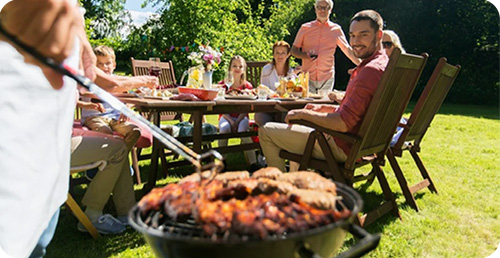
In recent years, outdoor living has become an essential extension of modern homes. More homeowners are investing in functional and stylish outdoor spaces to enhance both lifestyle and property value. At the center of this trend is the modular outdoor kitchen, a flexible and efficient solution that brings convenience and sophistication to outdoor cooking.
Unlike traditional built-in designs, modular systems offer greater flexibility, allowing users to customize layouts based on available space, cooking habits, and entertainment needs. This makes them ideal for patios, gardens, rooftops, and even commercial environments.
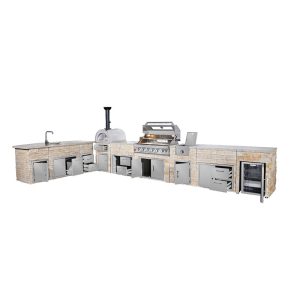
Why Choose a Modular Outdoor Kitchen
A modular outdoor kitchen provides a practical and modern alternative to fixed outdoor cooking setups. Its modular structure allows each unit to function independently while integrating seamlessly into a complete system.
Key advantages include:
- Flexible layout design
- Easy installation and mobility
- Cost-effective customization
- Expandable for future upgrades
These features make it suitable for both small residential patios and large outdoor entertainment areas.
Key Components of a Modular Outdoor Kitchen
A complete system typically consists of several functional modules that can be combined as needed.
Cooking Modules
These include grills, cooktops, and even pizza ovens. They form the core of the kitchen and can be selected based on cooking preferences.
Storage Units
Cabinets and drawers provide organized storage for utensils, cookware, and ingredients.
Preparation Areas
Countertops offer space for food preparation and serving. Materials such as stainless steel or stone ensure durability and style.
Cooling and Cleaning Units
Refrigerators, sinks, and ice makers can be integrated, making the space more convenient for entertaining.
Each modular outdoor kitchen can be configured with these components to meet specific needs.
Materials and Durability Considerations
Outdoor environments expose kitchen equipment to weather, temperature changes, and moisture, making material selection critical.
Common materials include:
- Stainless steel: Rust-resistant and durable
- Powder-coated aluminum: Lightweight and long-lasting
- Natural stone (e.g., granite): Ideal for countertops
- Weather-resistant polymers: Suitable for cabinetry
High-quality materials ensure long-term performance and appearance.
Design Flexibility and Customization
One of the biggest advantages of a modular outdoor kitchen is its adaptability. Users can design layouts based on their space and lifestyle.
Popular configurations include:
- Linear layouts for compact spaces
- L-shaped designs for corners
- U-shaped layouts for larger areas
- Island-style kitchens for open spaces
Customization options also include finishes, appliances, and smart features.
Applications Across Different Environments
Modular outdoor kitchens are widely used in various settings:
Residential Homes
Enhance backyard living with a functional and stylish cooking space.
Hospitality Industry
Hotels, resorts, and restaurants use outdoor kitchens to create unique dining experiences.
Commercial Spaces
Event venues and recreational areas benefit from flexible kitchen solutions.
Urban and Rooftop Spaces
Compact modular systems are ideal for apartments and city environments.
Installation and Maintenance Tips
Installing a modular outdoor kitchen is typically faster and easier than traditional construction, as most units are prefabricated.
Maintenance tips:
- Clean surfaces and appliances regularly
- Use covers during extreme weather
- Check connections and fittings
- Apply protective coatings when needed
Proper care ensures long-lasting performance.
Advantages Over Traditional Outdoor Kitchens
Compared to fixed outdoor kitchens, modular systems offer:
- Faster installation
- Lower initial cost
- Greater flexibility
- Easier upgrades and modifications
These benefits make them a preferred choice for modern outdoor spaces.
Case Example: Upgrading Outdoor Living
A homeowner upgraded their backyard with a modular setup that included a grill station, storage units, and preparation space. The results included:
- Enhanced outdoor entertainment experience
- Increased property value
- Improved space utilization
- Reduced installation time
This demonstrates the practical advantages of modular solutions.
Conclusion
The modular outdoor kitchen is a modern solution that combines flexibility, functionality, and style. Whether for residential or commercial use, it provides an efficient way to create customized outdoor cooking spaces.
With its adaptable design, durable materials, and easy installation, it continues to grow in popularity worldwide.
Create Your Ideal Outdoor Space Today
Transform your outdoor area with a modular outdoor kitchen designed for convenience and style. Visit https://www.orisenoutdoor.com/ to explore innovative solutions.
Contact us today to get a customized outdoor kitchen tailored to your needs.
FAQ
What is a modular outdoor kitchen?
It is a customizable outdoor cooking system made up of independent modules that can be arranged based on space and needs.
Is installation complicated?
No, most systems are prefabricated and easy to install compared to traditional kitchens.
What materials are commonly used?
Stainless steel, aluminum, stone, and weather-resistant materials are commonly used.
Can it be customized?
Yes, including layout, appliances, finishes, and features.
Is it suitable for small spaces?
Yes, modular designs are perfect for compact patios, balconies, and rooftop areas.